

Replace Missing Teeth with Personalized Implant Treatment
Missing teeth can affect how you chew, speak, and feel about your smile. Gaps may also influence the surrounding teeth and the way biting forces are distributed. Dental implants offer a tooth replacement option that uses a small post placed in the jawbone to support a replacement tooth, helping restore function while creating a stable foundation for a new smile.
At LifeSmiles Dentistry, dental implants in Cadillac, MI are considered according to each patient’s oral health, jawbone condition, and tooth replacement needs. An implant can support an individual crown or form part of a larger restoration when several teeth are missing. The treatment plan is developed around the condition of the mouth and the type of restoration needed.
Types of Dental Implant Restorations
Dental implants can support different types of restorations depending on how many teeth are missing and the condition of the remaining teeth.
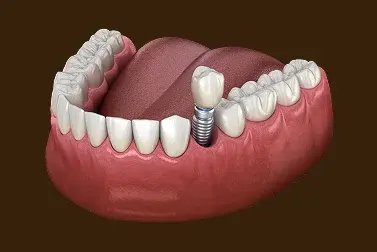
Single-Tooth Implants
An individual implant can support a crown designed to replace one missing tooth. This option can restore the gap without depending on neighboring teeth for support.
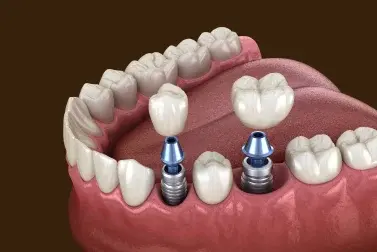
Multiple-Tooth Replacement
When several teeth are missing, implants may support a restoration designed to replace multiple teeth. The number and placement of implants depend on the specific clinical situation.
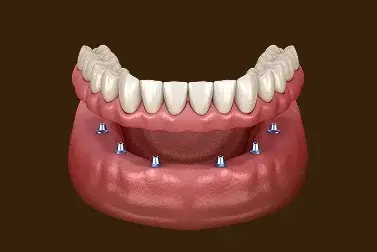
Implant-Supported Dentures
In suitable cases, implants can provide additional retention and stability for a denture. This approach may be considered for patients missing most or all teeth in an arch.
Who May Be a Candidate for Dental Implants?
Dental implants may be suitable for adults who have lost one or more teeth because of decay, gum disease, injury, or other dental conditions. Candidacy depends on several factors, including the health of the gums, the amount and quality of the jawbone, general health considerations, and daily oral hygiene habits.
Patients with insufficient jawbone may require additional procedures, such as bone grafting, before implant placement can be considered. Active gum disease and other oral health concerns may also need treatment first. A comprehensive evaluation helps determine whether dental implants are appropriate and what preparation may be needed.
From Implant Planning to a Restored Tooth
Dental implant treatment takes place in stages because the implant needs time to integrate with the jawbone before the final restoration can be completed. The exact timeline depends on the patient’s oral health, the implant location, and whether additional procedures are required.
Evaluate Your Tooth Replacement Needs
The dental team examines the missing tooth area, surrounding teeth, gums, and bite. Imaging may be used to assess the jawbone and determine whether there is enough bone to support an implant.
Develop a Personalized Treatment Plan
The recommended approach is based on the number of missing teeth, the condition of the jawbone, the desired restoration, and the overall oral health findings. Any necessary preparatory treatment is discussed before the procedure begins.
Place the Dental Implant
The implant post is placed into the jawbone at the planned location. This procedure is performed using appropriate anesthesia, with the approach tailored to the individual treatment plan.
Allow Time for Healing
During healing, the implant can gradually integrate with the surrounding bone in a process called osseointegration. This connection provides the foundation needed to support the replacement tooth.
Attach the Custom Restoration
Once the implant has healed sufficiently, an abutment and replacement crown or another suitable restoration can be attached, depending on the treatment design.
Discuss Findings and Recommendations
The completed restoration is evaluated for fit, appearance, and bite function. Follow-up care helps monitor the implant and surrounding tissues over time.
How Long Do Dental Implants Take to Heal?
Dental implants typically need three to six months to integrate with the jawbone, although healing times vary from person to person. During this period, the bone gradually bonds with the implant, creating a stable foundation for the replacement tooth. Initial tenderness and swelling after placement generally improve within a few days, while the deeper healing process continues over several months.
Factors such as bone quality, overall health, implant location, and whether additional procedures like bone grafting are needed can affect the timeline. Once healing is sufficient, the final crown or other restoration can be placed. LifeSmiles Dentistry can explain the expected healing period, recommend appropriate follow-up visits, and provide personalized guidance to help support recovery.
Rebuild Your Smile with Tailored Dental Implant
Replacing missing teeth is an important step toward restoring your smile and everyday comfort. At LifeSmiles Dentistry, the team helps patients in Cadillac, MI explore dental implant options, understand the treatment process, and make informed decisions based on their individual needs and oral health. From the initial consultation to planning the next steps, patients receive guidance designed to make the tooth replacement journey clearer and more manageable. Call us at 231-775-8281 to speak with our team.
Frequently Asked Questions
About Dental Implants
Dental implants are small posts, commonly made from titanium or another biocompatible material, that are placed in the jawbone to replace missing tooth roots. They can support crowns, bridges, or implant-supported dentures.
The dental implant timeline varies based on healing, bone condition, implant location, and whether procedures such as bone grafting are necessary. Treatment may take several months because the implant generally needs time to integrate with the jawbone before the final restoration is placed.
Dental implant placement is performed with anesthesia to help maintain comfort during the procedure. Some soreness, swelling, or tenderness may occur afterward. The level of discomfort and recovery time vary depending on the extent of treatment.
Adults with healthy gums, adequate jawbone support, and good oral hygiene may be candidates for dental implants. An evaluation is needed to assess oral health, bone availability, and other factors that could affect treatment success.
Yes. Dental implants can support restorations that replace multiple missing teeth, including implant-supported bridges and certain dentures. The treatment design depends on how many teeth are missing and the condition of the jawbone.
Dental implant restorations are designed to complement the surrounding teeth in shape, size, and color. Although the appearance depends on the restoration and individual circumstances, a well-planned implant can blend naturally with the smile.
Dental implants should be brushed and cleaned around every day, just like natural teeth. Regular dental visits are important for monitoring the implant, gums, and supporting bone and for identifying early signs of inflammation.
Dental implants can last for many years with appropriate placement, good oral hygiene, and regular professional monitoring. The implant and the attached crown or other restoration may have different lifespans, and maintenance or replacement of the restoration may eventually be needed.