
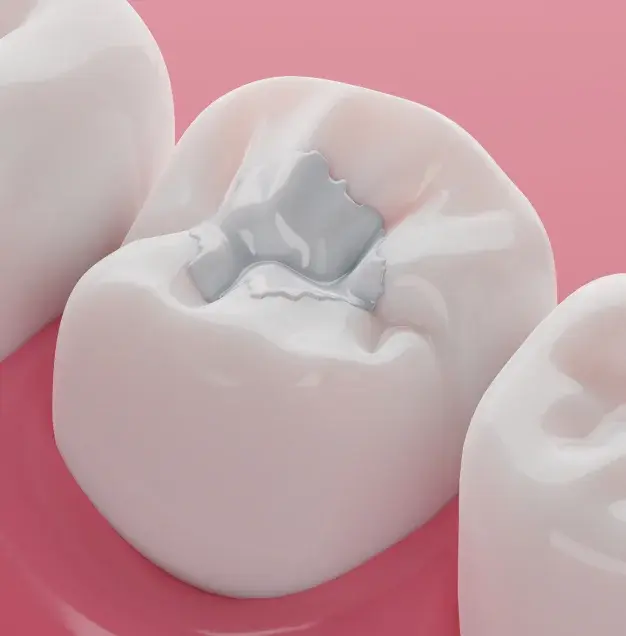
Restore Damaged Teeth with a Natural Look
A cavity does not have to leave a visible mark on your smile. Composite fillings provide a tooth-colored way to repair areas affected by decay while blending with the surrounding tooth structure. In addition to treating cavities, composite resin may be used to restore certain areas of minor tooth damage and help preserve the healthy portions of a tooth.
At LifeSmiles Dentistry, composite fillings in Cadillac, MI are placed with careful attention to the condition of the tooth, the location of the damaged area, and the desired result. Treating decay promptly can help prevent the affected area from becoming larger and requiring more extensive dental treatment.
Advantages of Tooth-Colored Fillings
Composite resin fillings offer both restorative and cosmetic advantages. When appropriate for the tooth, they can repair damage while maintaining a natural appearance.
- Matches the natural color of surrounding teeth for a discreet repair
- Bonds directly to the tooth, which can require removing less natural structure than other materials
- Hardens quickly under a curing light, allowing most fillings to be completed in a single visit
- Can be used to repair small to moderate cavities as well as chipped or worn teeth
- Does not contain the metal components found in older filling materials
- Provides a durable, long lasting solution when paired with good oral hygiene
When a Composite Filling May Be Needed
Tooth decay can begin without causing noticeable discomfort. As a cavity develops, however, patients may experience sensitivity, discomfort when eating or drinking, visible discoloration, or a rough area on the tooth.
A composite filling may be recommended when decay has created a portion of the tooth that needs to be restored. An evaluation can determine the extent of the damage and whether a filling is an appropriate solution. Addressing a cavity early may help prevent further deterioration of the tooth.
What to Expect When Receiving a Composite Filling
Restoring a cavity involves removing the damaged tooth structure and rebuilding the affected area with composite resin. The treatment is carefully completed to restore the tooth while maintaining a comfortable bite.
Examine the Affected Tooth
The tooth is evaluated to determine the location and extent of decay or damage. Additional diagnostic imaging may be recommended when needed to assess areas that cannot be seen during a visual examination.
Prepare the Tooth
The affected portion of the tooth is carefully removed to eliminate decay and create a clean area for the restoration.
Place the Composite Material
Tooth-colored composite resin is applied to the prepared area in layers. The material is shaped to follow the natural contours of the tooth.
Harden and Refine the Filling
A specialized dental light is used to harden the composite material. The filling is then shaped and refined so it fits naturally with the surrounding tooth.
Check the Bite
The restored tooth is checked as the teeth come together. Any necessary adjustments help ensure the filling feels comfortable during normal chewing.
Caring for a Tooth with a New Filling
A restored tooth still requires regular care. Brushing twice daily with fluoride toothpaste and cleaning between the teeth can help reduce plaque and protect the surrounding tooth structure. Regular dental visits also allow developing cavities, worn fillings, and other concerns to be identified early.
If a filling feels unusually high, uncomfortable, or sensitive for longer than expected, contact LifeSmiles Dentistry for an evaluation. Maintaining good oral hygiene and addressing changes promptly can help protect the restored tooth and the rest of the smile.
Stop Decay Before It Spreads Further
A cavity can become more difficult to treat when it is left unaddressed. Composite fillings provide a practical way to repair decay while preserving a natural-looking appearance. LifeSmiles Dentistry provides composite fillings in Cadillac, MI to help restore damaged teeth and support lasting oral health. Call us at 231-775-8281 to schedule your consultation with us.
Frequently Asked Questions
About Composite Fillings
Composite fillings typically last between five and ten years, depending on the location of the filling and oral hygiene habits.
The area is numbed with local anesthetic before treatment, so most patients feel little to no discomfort during the procedure itself.
Most composite fillings are completed in a single visit, often within 30 to 60 minutes depending on the size and location of the cavity.
No. Composite fillings are shade matched to blend with the natural color of the surrounding tooth, making them far less noticeable than metal fillings.
Yes. Older metal fillings can often be replaced with composite material for a more natural looking repair, though this depends on the condition of the tooth.
Mild, temporary sensitivity to hot or cold is common for a few days after a filling, though it typically resolves on its own.
Untreated decay can spread deeper into the tooth, potentially reaching the nerve and requiring more extensive treatment, such as a root canal or extraction.
Yes. Because composite blends naturally with tooth color, it is commonly used on both front and back teeth for cosmetic and functional repairs.