
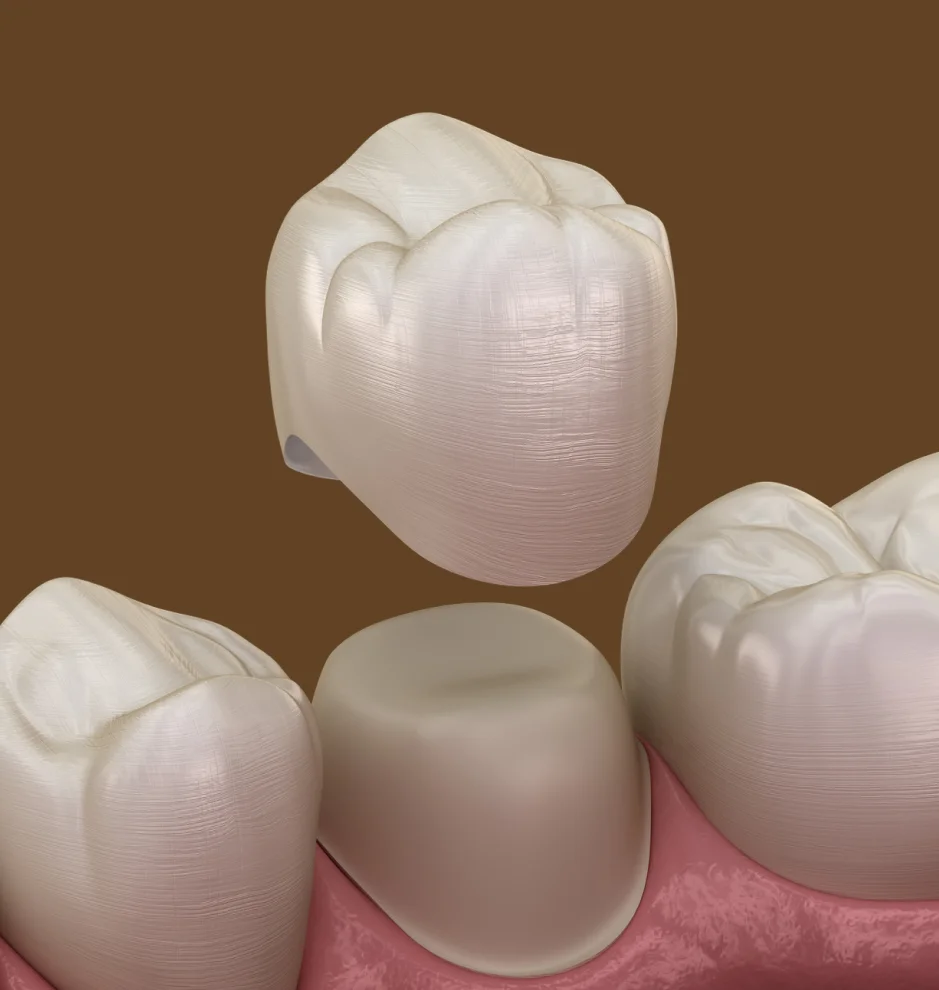
Strengthen Teeth with Custom Dental Crowns
A tooth that has been weakened by decay, a large filling, injury, cracks, or extensive wear may need more support than a traditional filling can provide. A dental crown covers the visible portion of the tooth to reinforce its remaining structure while restoring its shape, appearance, and function. Crowns can also provide protection for teeth that have undergone root canal treatment and may require additional structural support.
At LifeSmiles Dentistry, dental crowns in Cadillac, MI, are planned around the condition of the tooth, the way it functions within the bite, and the appearance of the surrounding smile. The treatment plan considers the amount of healthy tooth structure remaining and how the crown will fit with neighboring teeth. A custom crown can help protect a compromised tooth while allowing it to continue functioning as part of the natural dentition.
When a Dental Crown May Be Recommended
A dental crown may be recommended when a tooth has lost substantial structure or requires protection that a filling cannot provide. Treatment depends on the tooth’s condition, remaining structure, function, and overall restorative needs.
Common situations that may call for a dental crown include:
- Extensive tooth decay that has weakened the remaining tooth structure
- Large or failing fillings that no longer provide adequate support
- Cracked or fractured teeth that require additional protection
- Significant tooth wear that has affected the tooth’s structure or function
- Teeth weakened by an injury or dental trauma
- Teeth that have undergone root canal treatment and need added structural protection
- Severely damaged or misshapen teeth that require restoration of their form
- Certain cosmetic concerns involving the shape, size, or appearance of a tooth
Who May Benefit from Dental Crowns?
Dental crowns may be appropriate for adults or other patients with teeth that have sustained significant structural damage. The tooth must be evaluated to determine whether enough healthy structure remains to support a crown. Good oral hygiene and healthy surrounding gums are also important considerations. If active decay, gum disease, or another oral health concern is present, that issue may need to be addressed as part of the overall treatment plan.
Building a Crown Around the Tooth
Every crown begins with an evaluation of the tooth and the surrounding oral structures. The treatment sequence can vary depending on why the crown is needed and the condition of the tooth.
Examine the Tooth
The tooth is evaluated for decay, cracks, existing restorations, structural damage, and other factors that could affect crown treatment.
Determine the Appropriate Restoration
The condition of the tooth is considered along with its location, function, appearance, and role within the bite. This helps determine whether a dental crown is the right restorative solution.
Prepare the Tooth
If crown treatment is recommended, the tooth is carefully prepared to create the appropriate foundation for the restoration while preserving healthy structure whenever possible.
Create the Custom Crown
Measurements and other necessary information are used to create a crown designed to fit the prepared tooth and coordinate with the surrounding teeth.
Check the Fit and Appearance
Before the crown is finalized, its fit, shape, bite relationship, and appearance are evaluated. Adjustments can be made as needed to support proper function and a natural-looking result.
Secure the Restoration
Once the crown meets the necessary fit and functional requirements, it is placed over the prepared tooth and secured as a long-term restoration.
How to Make Your Dental Crown Last Longer
Taking consistent care of a dental crown can help maintain its condition and support the health of the natural tooth underneath it. Brush twice daily with fluoride toothpaste and clean carefully between the teeth to reduce plaque buildup around the crown and nearby gums. Regular dental visits are also important for checking the restoration, bite, and surrounding structures. Professional examinations can help identify wear, damage, or other concerns before they become more significant.
Protect your crown by avoiding habits that place excessive pressure on the restoration, such as chewing ice, hard objects, or non-food items. If you grind or clench your teeth, discuss appropriate protection with LifeSmiles Dentistry. Contact the office if your crown becomes loose, chipped, painful, or feels different when you bite.
Give a Weakened Tooth the Support It Needs
A damaged or weakened tooth does not always need to be removed. When enough healthy structure remains, a dental crown can provide coverage and reinforcement while restoring the tooth’s role in the smile. LifeSmiles Dentistry provides custom dental crowns in Cadillac, MI, to help restore damaged teeth with treatment planned around strength, function, fit, and appearance. Get in touch with our team at 231-775-8281 for a consultation.
Frequently Asked Questions
About Dental Crowns
With proper care, a dental crown typically lasts between 10 and 15 years, and many last even longer depending on material and oral hygiene habits.
The tooth is numbed with local anesthetic before preparation, so most patients experience little to no discomfort during the procedure.
Most crowns require two visits, one to prepare the tooth and place a temporary crown, and a second to fit and cement the permanent restoration.
A filling restores a small area of a tooth, while a crown covers the entire visible portion, offering more support for significantly damaged or weakened teeth.
Yes. Crowns are custom shade-matched and shaped to blend seamlessly with surrounding teeth for a natural-looking result.
Many teeth require a crown after root canal therapy, since the procedure can leave a tooth more brittle and in need of added protection.
While uncommon, a crown can loosen over time due to decay beneath it or wear on the cement. Contacting the office promptly helps prevent further complications.
The best material depends on the tooth’s location and function. Porcelain offers a natural look for front teeth, while zirconia provides added strength for back teeth.