
Protect Your Health with Oral Cancer Screenings
Oral cancer does not always cause noticeable pain or discomfort in its early stages. It may begin as a small sore, a patch of unusual color, or a rough area inside the mouth that is easy to overlook. Recognizing these subtle changes early is important because timely evaluation can help identify concerns before they progress.
At LifeSmiles Dentistry in Gladwin, MI, oral cancer screenings are part of routine dental exams. Our team checks the tissues of your mouth for unusual changes and determines whether anything needs further evaluation. These screenings provide an opportunity to address concerns promptly and take a proactive approach to protecting your oral health.
Why Oral Cancer Screenings Matter for Preventive Care
Oral cancer screenings help identify unusual changes, including persistent sores, patches, lumps, or swelling, that may need further evaluation. These examinations also help patients stay aware of changes in their oral health and recognize when symptoms require attention.
At LifeSmiles Dentistry, routine screenings are part of preventive dental care. If an unusual area is found, the team can recommend monitoring, additional testing, or referral as appropriate. Although screenings cannot guarantee detection or rule out every abnormality, they provide an opportunity to address concerns and seek timely follow-up.
Warning Signs of Oral Cancer to Know
Knowing what to look for can help you recognize changes that deserve attention between dental visits. Oral cancer symptoms can vary, and many have causes unrelated to cancer. However, persistent or unexplained symptoms should be assessed rather than assumed to be harmless.
Watch for changes such as:
- A mouth sore that does not heal.
- Red or white patches on the gums, tongue, tonsils, or lining of the mouth.
- A lump, thickened area, or persistent swelling.
- Unexplained bleeding or numbness in the mouth or lips.
- Ongoing pain in the mouth or throat.
- Difficulty chewing, swallowing, or moving the tongue or jaw.
- A persistent feeling that something is caught in the throat.
- A change in how dentures or other oral appliances fit.
What Happens During an Oral Cancer Screening?
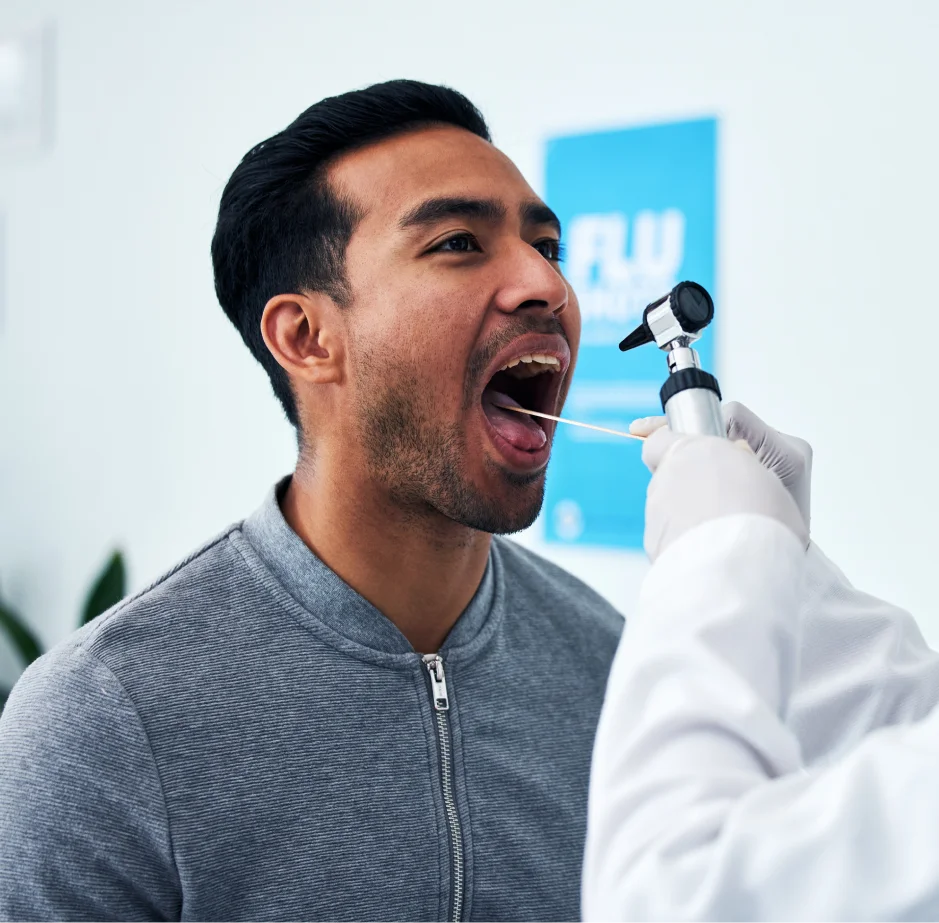
An oral cancer screening is generally brief and noninvasive. The examination focuses on identifying unusual changes in the mouth and nearby tissues. The exact steps can vary depending on the patient’s symptoms, health history, and the findings during the visit.
Discuss Your Health History and Concerns
The team may ask about your medical history, tobacco or alcohol use, and any changes you have noticed. Be sure to mention persistent sores, unusual patches, lumps, swallowing difficulties, or other symptoms, even if they seem minor.
Examine the Lips and Inside of the Mouth
The screening begins with a visual examination of accessible oral tissues. The lips, inner cheeks, gums, tongue, roof of the mouth, and floor of the mouth may be checked for unusual color changes, sores, swelling, or irregular areas.
Check for Unusual Tissue Changes
The team may gently examine areas of the mouth and surrounding tissues for lumps, thickened areas, or other abnormalities. The goal is to identify findings that differ from the expected appearance or condition of the tissues.
Discuss Any Areas of Concern
If an unusual area is found, the team can explain what was observed and why it may need further evaluation. Not every abnormality is cancerous, but changes that are suspicious or do not resolve should not be ignored.
Determine the Appropriate Follow-up
Depending on the findings, recommendations may include monitoring an area for a limited period, arranging a follow-up examination, or referring you to a qualified specialist. A biopsy or other diagnostic testing may be necessary to establish a diagnosis. An oral cancer screening alone cannot confirm or exclude cancer.
Tips to Reduce Risk of Oral Cancer
Although oral cancer cannot always be prevented, certain lifestyle choices may help lower your risk. Avoid tobacco products, including cigarettes and smokeless tobacco, and limit alcohol consumption. Maintaining a balanced diet with plenty of fruits and vegetables can also support overall health. Ask your healthcare professional whether HPV vaccination is appropriate for you, as certain HPV infections are linked to cancers of the oropharynx.
Regular dental examinations can help you stay informed about your oral health and discuss any concerns with your dental team. Avoid ignoring persistent sores, unusual patches, lumps, or other unexplained changes in your mouth. While these steps cannot eliminate risk, they support a proactive approach to oral health.
Make Oral Cancer Awareness Part of Prevention
LifeSmiles Dentistry is here to help patients in Gladwin, MI, monitor their oral health, discuss unusual changes, and understand when further evaluation may be needed. Whether you are due for a routine dental examination or have noticed a persistent change in your mouth, the team can help you determine an appropriate next step. Call us at 989-426-4597 to schedule an oral health examination or ask about oral cancer screening at LifeSmiles Dentistry.
Frequently Asked Questions
About Oral Cancer Screenings
An oral cancer screening is an examination of the mouth and surrounding tissues for unusual changes that could indicate oral cancer or another condition requiring further evaluation. It may include checking the lips, tongue, cheeks, gums, roof and floor of the mouth, and nearby tissues. A screening identifies areas of concern but does not diagnose cancer.
An oral cancer screening may be performed as part of a routine dental examination. How often you need an assessment depends on your health history, risk factors, symptoms, and the recommendations of your healthcare professional. If you notice a persistent or suspicious change, seek evaluation rather than waiting for your next scheduled visit.
No. A routine oral cancer screening is generally painless and noninvasive. The examination usually involves looking at the oral tissues and may include gently feeling certain areas for lumps or unusual changes. If further testing is needed, the experience will depend on the recommended procedure.
Possible warning signs include a persistent mouth sore, red or white patches, unexplained lumps, thickened tissue, numbness, or ongoing difficulty chewing or swallowing. These symptoms can also result from noncancerous conditions. Any persistent, worsening, or unexplained change should be evaluated by a qualified healthcare professional.
Yes. Oral cancer may develop without pain in its early stages. Some changes may appear as a patch, lump, or sore that initially causes little discomfort. This is one reason routine oral examinations and prompt evaluation of unusual changes are important.
Risk factors include tobacco use, heavy alcohol consumption, and certain HPV infections, particularly those associated with cancers of the oropharynx. Risk also varies with age and other individual factors. However, oral cancer can develop in people without known risk factors, so symptoms should always be taken seriously.
A screening cannot confirm an oral cancer diagnosis. If an area looks suspicious, further evaluation may involve a specialist examination and a biopsy, in which a tissue sample is examined in a laboratory. The appropriate next step depends on the appearance of the area and the clinical findings.
LifeSmiles Dentistry is located at 230 East Cedar Avenue, Gladwin, MI 48624. Contact the office to ask about including an oral tissue examination in your dental visit. If you have a persistent sore, unusual patch, lump, or other concerning symptom, mention it when arranging your appointment so the appropriate next steps can be discussed.