

Straighten Your Smile Without Traditional Braces
Crowded teeth, gaps, a bite that does not line up, or teeth that have slowly shifted over the years can affect how you look and how you feel about smiling. They can also make brushing and flossing harder and put uneven stress on your teeth and jaw. Many people put off treatment because they do not want a mouth full of metal or a look that draws attention.
Invisalign clear aligners offer a different path. Each set of aligners is made from smooth, transparent plastic and shaped to fit your teeth precisely. You wear one set at a time, and each new set moves your teeth a little closer to their planned position. At LifeSmiles Dentistry in Gladwin, Michigan, we map out your treatment from the first scan to the final retainer, so you can see where your smile is heading and feel supported along the way.
How Invisalign Can Make Everyday Life Easier
Clear aligners are designed to fit into your daily routine while gradually improving tooth alignment. Depending on your needs and treatment plan, Invisalign may offer several benefits.
- Clear aligners are less noticeable than traditional braces, making them appealing to adults and teens who prefer a subtle orthodontic option.
- Take your aligners out when eating, so there are no brackets or wires to work around when enjoying your usual foods.
- Removing the trays allows you to brush and floss your teeth normally, helping you maintain your oral hygiene routine throughout treatment.
- Each series of aligners is made to follow a treatment plan developed for your teeth and bite.
- Smooth, clear trays eliminate many of the irritation concerns associated with fixed orthodontic appliances, although temporary pressure or tenderness can occur.
- Scheduled checkups help the team evaluate tooth movement and determine whether your treatment is progressing as planned.
- Correcting certain alignment concerns may make teeth easier to clean and improve how the upper and lower teeth meet.
Smile Concerns Invisalign Can Correct
Invisalign uses a series of clear, removable aligners to gently guide teeth into better positions. At LifeSmiles Dentistry in Gladwin, MI, we evaluate each smile to determine whether Invisalign can address your specific orthodontic concerns.

Crowded Teeth
When the jaw lacks room, teeth overlap and trap plaque in tight spots. Invisalign slowly creates space and guides each tooth into a straighter, healthier position.

Gaps Between Teeth
Noticeable gaps can make a smile look uneven and let food get stuck between teeth. Invisalign steadily closes these spaces, leaving you with a smoother, more cohesive look.

Excessive Overbite
When top front teeth hang too far over the bottom ones, chewing and wear can suffer. In appropriate cases, Invisalign repositions teeth to ease the overlap and balance the bite.

Lower Teeth Positioned Forward
With an underbite, bottom teeth sit ahead of the top teeth, which can strain chewing. In milder cases, Invisalign may shift teeth to bring the bite into better harmony.

Uneven Bite Alignment
In a crossbite, some upper teeth close behind the lower teeth, which can cause uneven wear. Invisalign can guide these teeth into positions that fit together evenly.
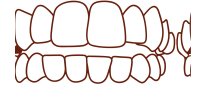
Teeth That Do Not Meet Properly
With an open bite, some upper and lower teeth never touch, making biting into food awkward. Invisalign may gradually bring them into contact for a more comfortable, functional bite.
Your Invisalign Journey from Consultation to Results
Invisalign treatment involves more than receiving a set of clear trays. Careful planning, consistent wear, and regular progress checks all contribute to achieving the intended tooth movements.
Discuss Your Smile Goals
Your visit begins with a conversation about what you would like to change, whether that means closing gaps, improving crowded teeth, or addressing selected bite concerns. You can also discuss questions about treatment duration, comfort, and daily wear.
Complete a Dental Assessment
The team examines your teeth, gums, and bite to determine whether clear aligners are appropriate. Existing cavities, gum inflammation, or other dental concerns may need attention before orthodontic treatment begins.
Plan Your Tooth Movements
If Invisalign is suitable, digital scans or other appropriate records may be used to plan how your teeth should move. This information helps guide the design of a customized series of aligners. Any available treatment simulation can help illustrate the planned progression, although actual results may differ.
Receive Your Custom Aligners
Once your aligners are ready, you will learn how to insert, remove, clean, and store them. The team will also explain your prescribed wear schedule and when to move to the next set of trays.
Wear Your Trays as Directed
Invisalign generally requires wearing aligners for approximately 20 to 22 hours each day, removing them for meals, drinks other than water, and oral hygiene. Consistent wear helps keep treatment on track and supports the planned tooth movements.
Attend Progress Appointments
Periodic visits allow the team to check your tooth movement, address any discomfort or fit concerns, and determine whether adjustments are needed. Additional aligners or refinements may be recommended if certain teeth need more movement.
Maintain Your New Alignment
After active treatment, retainers are typically needed to help keep teeth in their new positions. Following the recommended retainer schedule is an important part of protecting the results you have worked toward.
Daily Habits That Help Keep Invisalign on Track
Consistent daily habits help keep Invisalign treatment progressing as planned. Wear aligners for the prescribed hours and remove them before eating or drinking anything besides water. Brush and floss after meals whenever possible to prevent food and plaque from becoming trapped beneath the trays. Clean aligners as instructed, avoid hot water, and store them in their case whenever removed to prevent damage or loss.
Follow the recommended tray sequence and avoid switching aligners ahead of schedule without guidance. If trays become damaged, stop fitting properly, or cause persistent discomfort, contact the dental office for advice. These simple steps help protect your teeth, maintain aligner condition, and reduce interruptions during treatment.
Begin Your Journey to a Straighter Smile
If you are considering Invisalign in Gladwin, MI, contact LifeSmiles Dentistry to discuss your goals and arrange an evaluation. Our team can guide you through your questions, explain the commitment required, and help you make an informed decision about improving your smile. Call us at 989-426-4597 to schedule a consultation and learn whether Invisalign is the right option for your smile.
Frequently Asked Questions
About Invisalign
Invisalign is an orthodontic treatment that uses a series of custom-made, clear plastic aligners to gradually move teeth into planned positions. The trays are removable and are designed to address selected alignment and bite concerns without traditional metal brackets and wires.
Treatment time depends on the complexity of your alignment concerns, your individual tooth movements, and how consistently you wear your aligners. Some cases take several months, while others may require a year or longer. A consultation can provide a more individualized estimate.
Invisalign is not usually described as painful, but you may experience pressure, tightness, or mild tenderness when beginning treatment or switching to a new set of aligners. These sensations often ease as your teeth adjust. Persistent or severe discomfort should be discussed with the dental team.
Most Invisalign treatment plans recommend wearing aligners for approximately 20 to 22 hours per day. They are generally removed for eating, drinking anything other than water, and brushing and flossing. Follow the specific wear instructions provided for your treatment.
Yes, Invisalign can correct many cases of gaps and crowded teeth by gradually moving teeth into better alignment. Suitability depends on the amount of movement required and other factors affecting your bite and oral health. Some complex cases may need a different orthodontic approach.
No. You should remove Invisalign aligners before eating meals or snacks to avoid damaging or staining the trays. Remove them for beverages other than water as well. Clean your teeth before putting the aligners back in whenever possible.
Yes, many adults choose Invisalign to address crowded teeth, gaps, and certain bite concerns. Age alone does not determine eligibility. Healthy teeth and gums, the type of orthodontic correction needed, and the ability to follow the prescribed wear schedule all influence whether treatment is suitable.
Yes, retainers are generally recommended after Invisalign to help keep teeth in their corrected positions. Teeth can gradually shift after active orthodontic treatment, even when the results initially look stable. Wearing your retainer according to the recommended schedule helps maintain your alignment over time.