
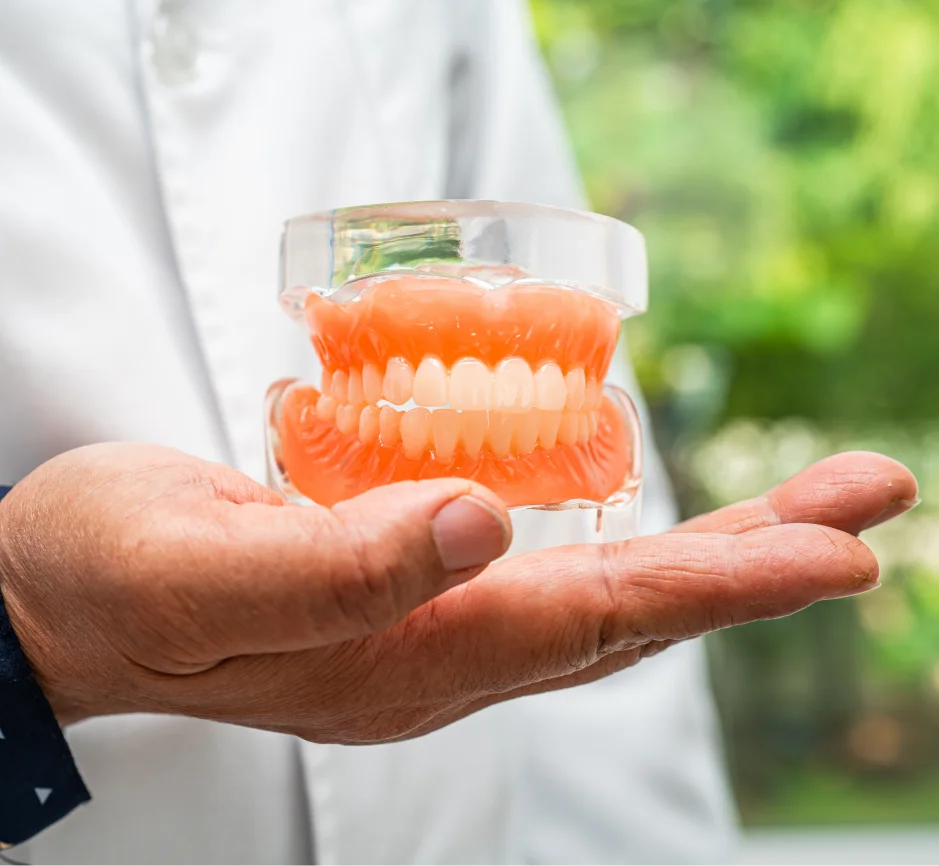
Replace Missing Teeth With Custom Dentures
Missing several teeth or an entire arch can change how you eat, speak, and feel about your smile. Dentures offer a practical tooth replacement solution that restores the appearance of missing teeth while helping support everyday oral function. At LifeSmiles Dentistry, we provide denture care in Gladwin, MI, with treatment options tailored to each patient’s oral health, remaining teeth, and personal needs.
Whether you need to replace a full arch of teeth or several missing teeth, dentures can be designed to fit your mouth and complement your facial features. Depending on your situation, options may include full dentures, partial dentures, or implant-supported dentures. Our team will evaluate your needs, explain the available choices, and help you understand what to expect from the fitting and adjustment process.
How Dentures Can Improve Your Daily Life
Tooth loss can affect more than your smile. Missing teeth may make chewing less efficient, change speech patterns, and affect the support provided to your lips and cheeks. Well-designed dentures can help address these concerns while restoring a more complete appearance.
- Dentures replace missing teeth to help restore the appearance of your smile.
- Replacing missing teeth can make eating a wider variety of foods more manageable, although adjustment may be needed.
- Dentures can help support the lips and cheeks when tooth loss has affected facial contours.
- Replacing missing teeth may help improve the pronunciation of certain sounds affected by gaps.
- Dentures are designed around your mouth, tooth arrangement, and aesthetic preferences.
- Full and partial dentures can address different patterns of missing teeth.
- A well-fitting denture can help you feel more comfortable smiling, speaking, and interacting with others.
What Happens if You Delay Replacing Missing Teeth?
Missing teeth can affect chewing, speech, and the appearance of your smile. Over time, neighboring teeth may shift into open spaces, and the jawbone in areas without teeth may gradually change. The extent of these changes varies from person to person, but replacing missing teeth can help restore function and support a more complete smile.
Dentures offer one way to address extensive tooth loss, with options available for patients missing several teeth or an entire arch. An evaluation at LifeSmiles Dentistry can help you understand your tooth replacement choices and determine which approach best fits your oral health needs.
What to Expect During Denture Treatment
Getting dentures involves careful planning, precise measurements, and adjustments to help the appliance fit comfortably and function effectively. The number of appointments varies according to the type of denture, your oral health, and whether tooth extractions or other procedures are needed.
Evaluate Your Oral Health and Tooth Replacement Needs
The process begins with an examination of your gums, remaining teeth, jaw structures, and bite. The team will discuss your concerns, review your medical and dental history, and identify any issues that should be addressed before denture treatment begins.
Choose a Suitable Denture Design
Based on your examination, the team will explain whether full dentures, partial dentures, or an implant-supported option may be appropriate. Your preferences, oral health, and the support available in your mouth help guide the treatment plan.
Take Impressions or Digital Records
Impressions or digital scans may be taken to capture the shape of your mouth. These records help guide the design of the denture so it fits the available supporting tissues and aligns with your bite.
Plan the Shape and Appearance of Your New Teeth
The arrangement, size, and shade of the replacement teeth are selected to complement your facial features and smile. Depending on the denture type, a trial fitting may be used to evaluate the appearance, tooth position, and bite before the final appliance is completed.
Fit and Adjust the Denture
When the denture is ready, the team will check how it sits, how your teeth come together, and whether any areas create pressure. Adjustments may be needed to improve comfort and stability. If extractions are part of treatment, the timing of denture placement will depend on your clinical needs and healing.
Learn How to Wear and Care for Your Denture
You will receive instructions on inserting, removing, cleaning, and storing the appliance. The team can also explain what to expect during the adjustment period and when to return for follow-up care.
Adjusting to Life With Dentures
Adjusting to new dentures takes time as your mouth adapts to the appliance. Mild soreness, increased saliva, and difficulty speaking or chewing may occur initially. Start with soft foods, take small bites, chew slowly using both sides, and practice speaking aloud. Clean your dentures daily with a suitable product and follow the care instructions provided.
Remove dentures at night unless advised otherwise, and attend follow-up visits to address pressure points or fit concerns. Avoid repairing or reshaping dentures yourself. If your dentures cause persistent pain, develop cracks, or become loose, contact your dental office for an assessment. Regular adjustments can help maintain comfort as your mouth changes over time.
Restore Comfort With Custom Dentures
Missing teeth can make eating, speaking, and daily activities more challenging. LifeSmiles Dentistry offers denture care in Gladwin, MI, with options tailored to your needs. Whether you need new dentures or an existing appliance evaluated, our team can help. Call us at 989-426-4597 to schedule a consultation.
Frequently Asked Questions
About Dentures
The cost of dentures in Gladwin, MI, depends on the type of appliance, the number of teeth being replaced, the materials used, and whether extractions or other procedures are needed. An individual consultation allows LifeSmiles Dentistry to assess your needs and explain the expected costs of your treatment plan.
Full dentures replace all teeth in an upper or lower arch, while partial dentures replace several missing teeth when some natural teeth remain. The recommended option depends on your pattern of tooth loss, the condition of remaining teeth, and the support available in your mouth.
The timeline varies based on the type of denture, the number of appointments required, and whether extractions or other treatment are needed. The process typically involves an examination, impressions or scans, design and fabrication, fitting, and any necessary adjustments.
New dentures may initially feel bulky or unfamiliar. Some soreness, increased saliva, or difficulty speaking and chewing can occur while you adjust. Follow-up appointments can help address pressure points and improve the fit. Persistent pain should be evaluated rather than ignored.
Dentures can last several years, but their lifespan depends on the materials, daily care, wear, and changes in your gums and jawbone. Periodic evaluations can identify when adjustments, relining, repairs, or replacement may be necessary.
Most people can gradually return to eating a broader range of foods after adapting to dentures. Starting with soft foods, taking small bites, and chewing slowly can help. Some foods may remain more challenging, depending on the denture’s fit and stability.
Remove and clean dentures daily with a denture brush and a product suitable for the appliance. Follow the recommended soaking and storage instructions, and clean your gums, tongue, and any remaining natural teeth. Avoid hot water that could distort the denture material.
Yes. Dentures that become loose may need professional adjustment, relining, or replacement, depending on the cause and the condition of the appliance. Changes in the gums and jawbone can affect the fit over time. An evaluation can help identify the most appropriate solution.